
Why So Many Des Moines Homeowners Are Replacing Their Concrete Driveways
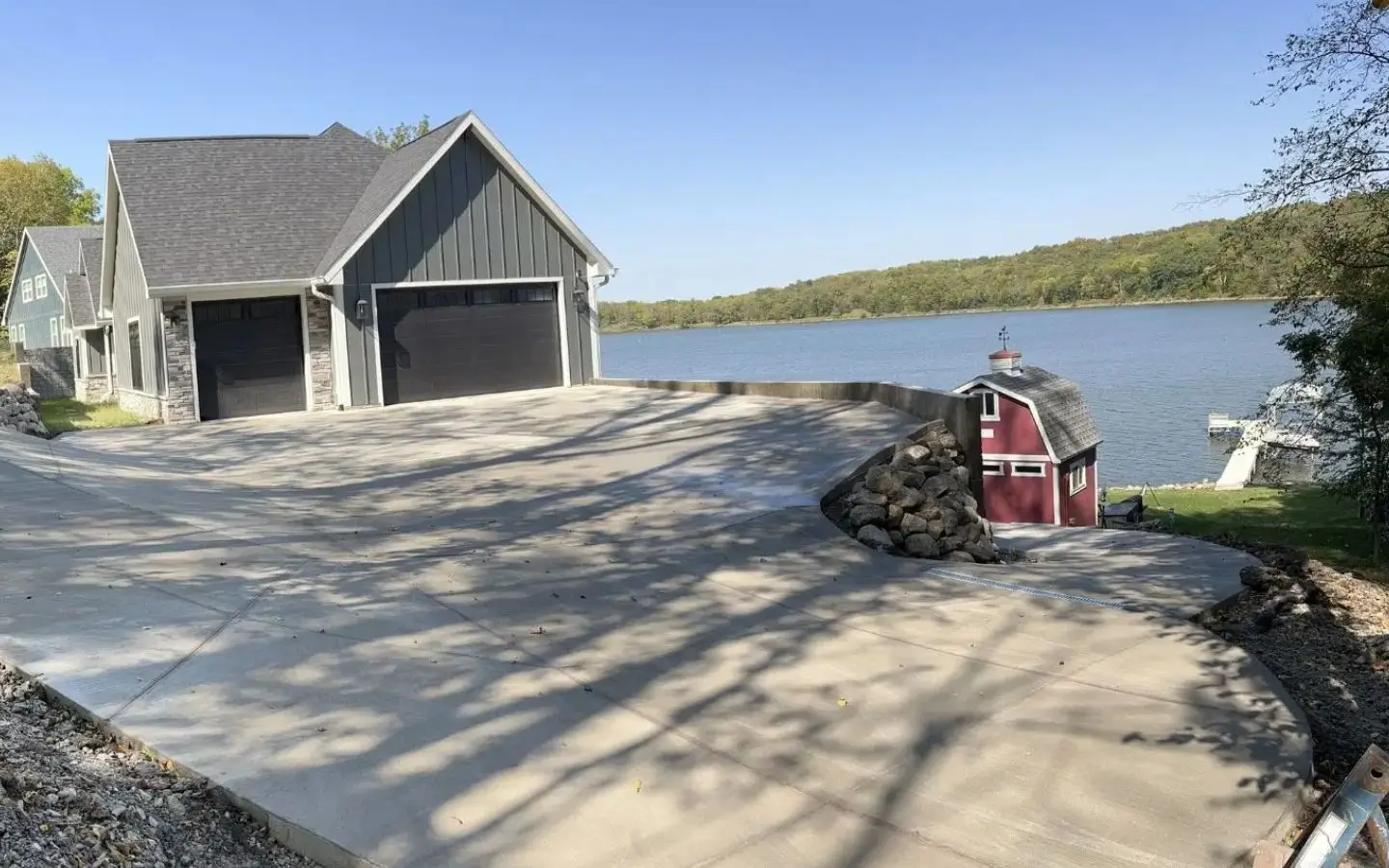

Most homeowners don’t wake up one morning and decide they need a new driveway. It’s usually a gradual realization. The cracks get a little wider every winter. Water starts collecting near the garage after every rain. You’ve caught yourself wondering if that sharp bump over the cracked driveway seam is starting to mess with your alignment. Eventually, replacing it becomes less about appearance and more about fixing problems that keep getting worse.
The Real Reasons Des Moines Homeowners Replace Their Driveway
The decision to replace a driveway almost always comes down to a handful of recurring issues, not a single dramatic failure. Cracking and heaving are the most common, and they’re not unique to bad concrete work. Iowa’s freeze-thaw cycle puts real stress on every driveway in the state, expanding and contracting the slab as temperatures swing through the winter months, and over enough seasons that movement adds up.
Drainage is the second major driver. A driveway that pools water near the garage, the front step, or a low corner of the slab isn’t just an inconvenience, it’s actively working against the rest of the property, sending water toward the foundation instead of away from it.
Surface scaling is another problem specific to this climate, where repeated exposure to road salt and winter deicers causes the top layer of concrete to flake or peel away over time. Once scaling starts, it tends to spread rather than stay contained. Settling is the other red flag, where one section of the driveway sits noticeably lower than the rest. That usually means the soil underneath has washed out or shifted, and it’s both a safety issue and a sign the base itself has failed, not just the surface.
Then there’s the simple visual factor: a stained, patched, or uneven driveway is often the first thing a visitor or potential buyer sees, and it sets the tone for how the rest of the home is perceived. For homeowners getting ready to sell, that single detail can influence a buyer’s first impression before they’ve even reached the front door.
Expert Insight: A few cracks don’t automatically mean a driveway needs to be replaced right away. In a freeze-thaw climate like Central Iowa, hairline cracking is common even on a properly installed driveway. The real question isn’t whether a driveway has any damage, it’s whether that damage is cosmetic and stable or actively getting worse. We’ll always give you an honest read on which one you’re looking at.
What a New Concrete Driveway Actually Solves
A properly installed driveway solves more than the obvious cosmetic problem. It removes the safety concerns that come with an uneven, cracked, or settled surface, including the kind of ice pooling that turns a small crack into a slip hazard every winter. It changes how the entire property feels from the street, which matters whether you’re staying for another decade or getting ready to list the house. It also ends the cycle of patching the same problem area year after year, a short-term fix that rarely holds up the way homeowners hope it will. And for Central Iowa specifically, a driveway built with the local climate in mind means fewer surprises each winter, because it was designed to handle freeze-thaw conditions and road salt exposure from the start rather than reacting to damage after the fact.
What to Expect When You Replace Your Driveway
Final cost depends on the size of the project, site conditions, demolition requirements, and the finish you choose. As a general starting point, Central Iowa driveway replacements often fall somewhere between $6 and $15 per square foot, though your exact number depends on the variables above. For straightforward projects, we can often provide an accurate quote from a few photos of your driveway, no need to wait around for an in-person visit. For larger or more complex projects, an on-site look helps us give you the most precise number.
Most residential driveway replacements are completed in a single day once the prep work is finished, with the driveway ready for foot traffic within 24 to 48 hours and vehicle traffic within roughly a week, depending on weather.
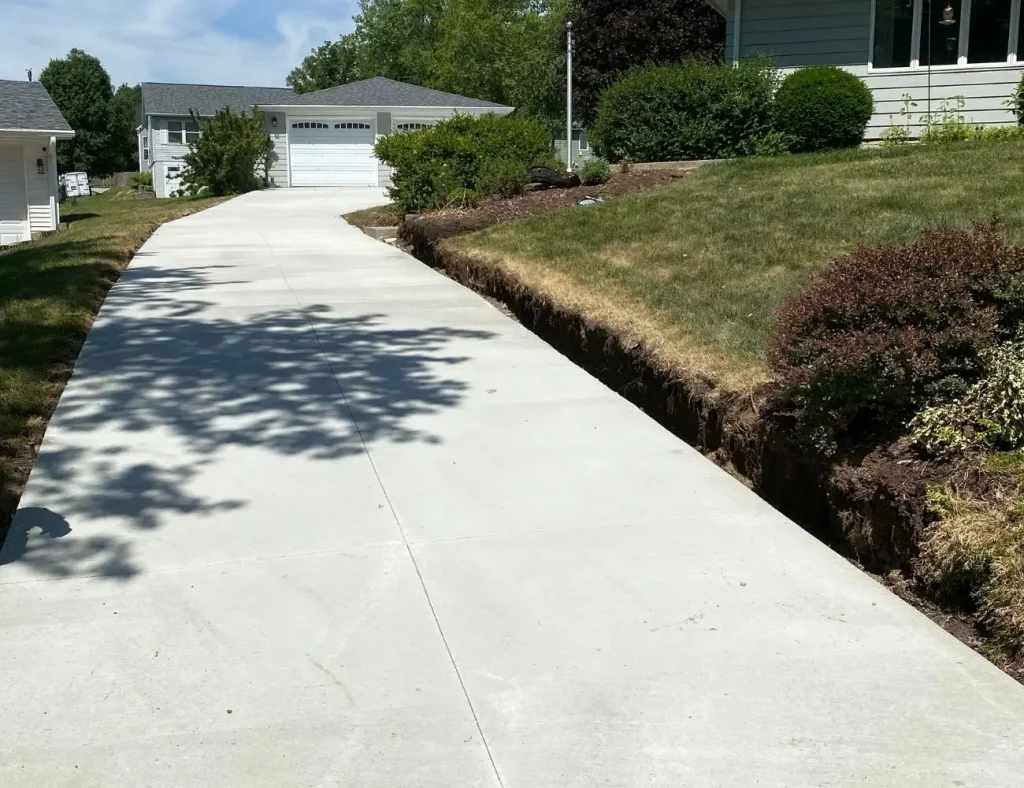
Why the Work You Can’t See Matters Most
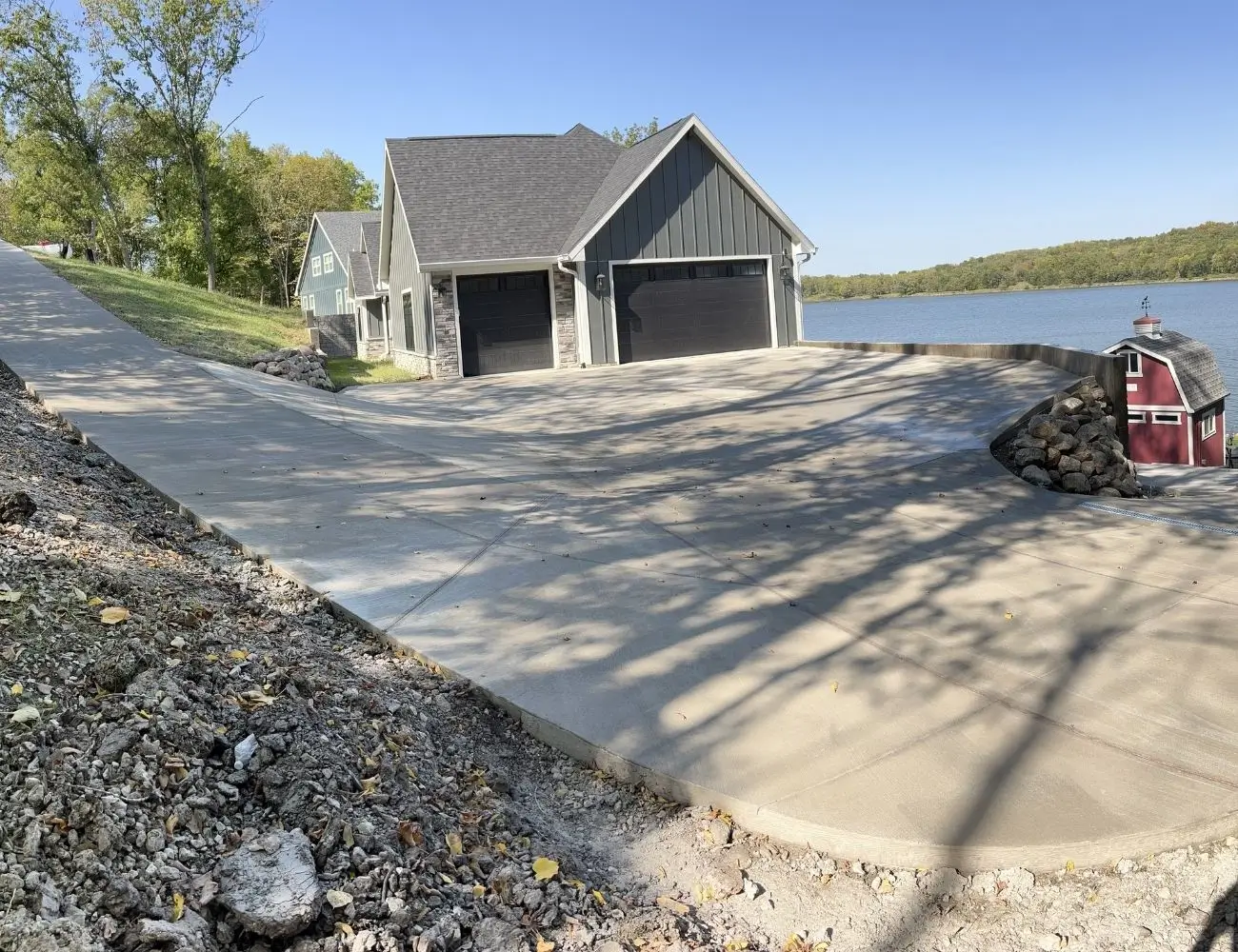
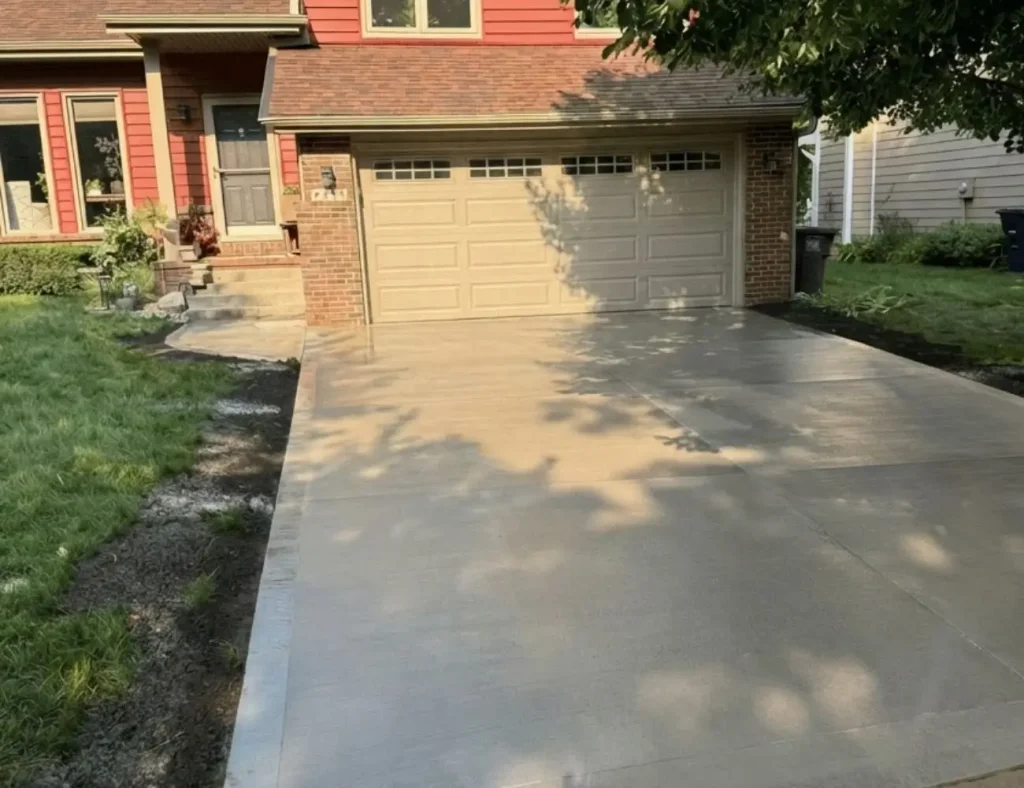
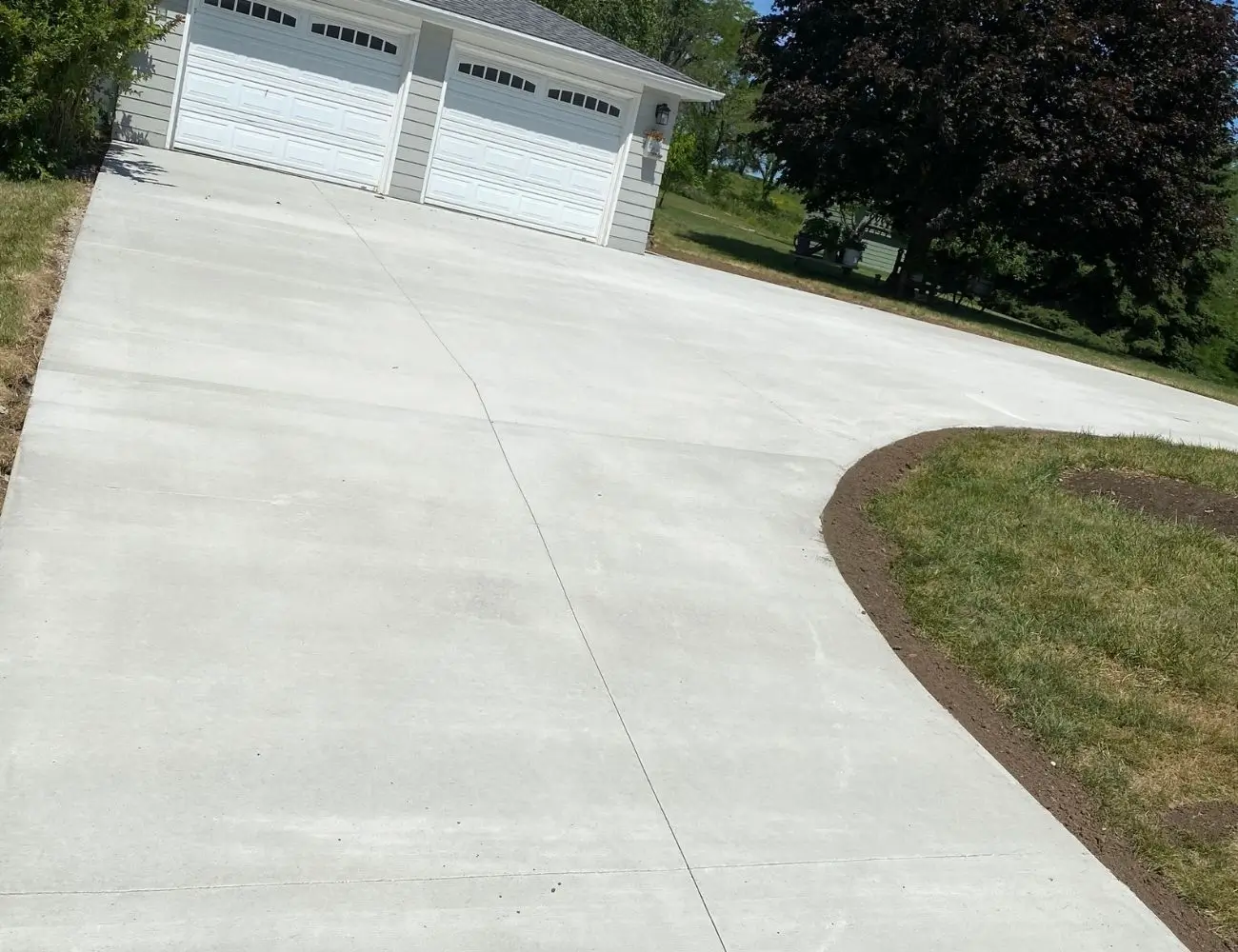
The difference between a driveway that lasts and one that needs attention again in a few years almost always comes down to what happens before the concrete is poured, not the concrete itself. Base preparation and drainage planning determine how the slab performs through its first few Iowa winters, and that work is easy to rush and hard to inspect once the driveway is finished. At MR Concrete Iowa, Mitch Reed works directly alongside the crew on every job, which means the person making decisions about base prep and drainage is on site, not reviewing it after the fact.
Expert Insight: Most driveway problems homeowners deal with later don’t trace back to the concrete mix, they trace back to base prep and drainage planning that wasn’t done correctly the first time. It’s one of the least visible parts of the job and one of the most important, and it’s rarely something homeowners think to ask a contractor about directly.
If your current driveway is cracking, scaling, settling, or just past its prime, reach out for a free on-site quote. We’ll give you an honest look at what it actually needs and a straightforward quote with an accurate timeline.
Frequently Asked Questions
How much does a new concrete driveway cost in Des Moines?
Cost depends on the size of the driveway, how much existing concrete needs to be removed, site conditions, and the finish you choose. As a general range, Central Iowa driveway replacements often run between $6 and $15 per square foot. A free quote, often based on a few photos, gives you pricing specific to your property.
How long does a concrete driveway replacement take?
Most residential driveway replacements are completed in a single day once demolition and base prep are finished. The driveway is typically ready for foot traffic within 24 to 48 hours and vehicle traffic within about a week, depending on weather.
Will my new driveway crack like the old one did?
All concrete develops minor cracking over time, that’s normal in any climate, especially Iowa’s freeze-thaw cycle. What prevents the kind of cracking that leads to early failure is proper base preparation, correct thickness, and control joints placed in the right locations.
How do I know if my driveway needs to be replaced?
Widespread cracking, sections that have settled or sunk, surface scaling from salt and deicers, and recurring drainage problems are all signs the base or slab has failed rather than just the surface. A quick photo review or on-site look can tell you whether what you’re seeing is cosmetic or a sign it’s time to replace.
What time of year is best to replace a driveway in Iowa?
Concrete can be poured successfully in most seasons in Central Iowa, but spring through early fall typically offers the most predictable curing conditions. Winter installations are possible but require additional planning around temperature and curing time.
Do I need a permit to replace my driveway in Des Moines?
Permit requirements vary depending on the scope of the project and your specific municipality within Central Iowa. We handle the permit process for our clients so you don’t have to navigate it yourself.
How long should a concrete driveway last?
A properly installed concrete driveway typically lasts 25 to 30 years or more, with lifespan depending heavily on base preparation, drainage, and how well it’s maintained through Iowa’s freeze-thaw winters.